

toughened laminated glass balustrade
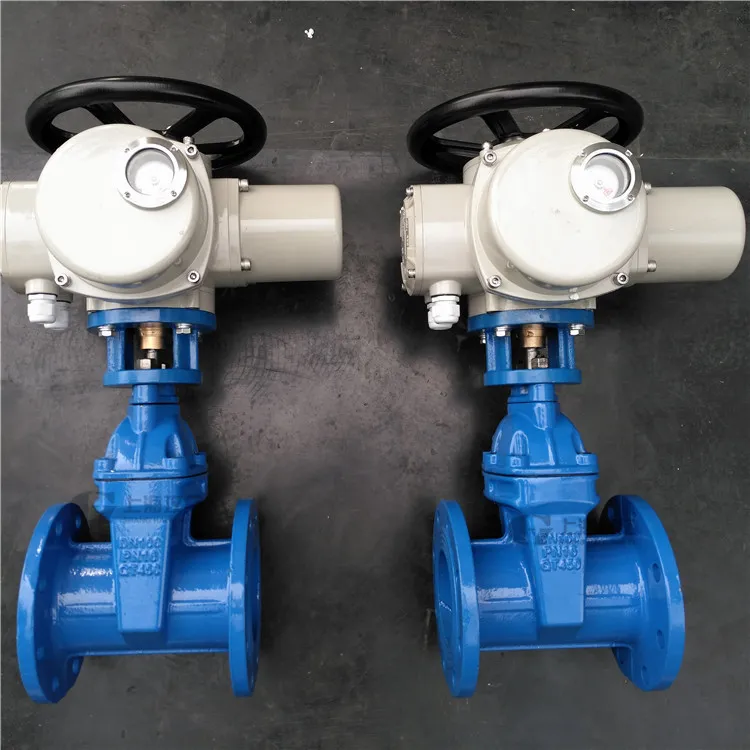
Understanding Full Flow Check Valves Functionality and Applications Full flow check valves are vital components in various fluid and gas systems, providing efficient one-directional flow control. These valves are designed to prevent backflow, ensuring that the fluid only moves in the intended direction. This functionality is crucial in maintaining system integrity and preventing contamination or damage to equipment. A full flow check valve operates based on the principle of pressure differential. When fluid flows in the designated direction, the valve opens, allowing maximum flow. However, if there is a reversal in pressure—meaning the fluid attempts to flow backward—the valve closes automatically. This action is usually facilitated by a spring-loaded mechanism or gravity, depending on the design of the valve. The result is a secure barrier against backflow, ensuring that processes remain efficient and safe. These valves can be constructed from various materials, including brass, stainless steel, and plastic, making them suitable for a wide range of applications. Industries such as water treatment, chemical processing, and HVAC systems frequently utilize full flow check valves. In water systems, for example, they help prevent contaminated water from flowing back into clean supply lines . Similarly, in chemical applications, these valves protect equipment and ensure that hazardous substances do not leak back into upstream systems. full flow check valve One of the primary advantages of full flow check valves is their ability to minimize pressure loss. Unlike other types of check valves that may restrict flow due to design constraints, full flow models are engineered to maintain a smooth pathway for fluids. This characteristic is particularly important in systems where efficiency and performance are critical. Moreover, the easy maintenance and durability of these valves make them a preferred choice for many engineers and system designers. In addition to their functional benefits, full flow check valves are also relatively easy to install. They can be integrated into existing piping systems with minimal modifications, which is advantageous for retrofitting projects. It is important, however, to ensure proper orientation during installation, as incorrect placement can lead to functional failures. In conclusion, full flow check valves are essential components in managing fluid dynamics across various industries. Their ability to prevent backflow while allowing maximum flow efficiency makes them indispensable in maintaining operational safety and efficiency. As technological advancements continue to evolve, the designs and materials used in these valves are likely to improve, further enhancing their performance and reliability in diverse applications.
about
toughened laminated glass balustrade
The Importance of Dial Bore Gauges in Precision Measurement In the realm of precision engineering and manufacturing, the importance of accurate measurement cannot be overstated. One of the essential instruments used for achieving such accuracy is the dial bore gauge. Among the various types available, the dial bore gauge with a range of 50 to 160 mm has become a popular choice for professionals in many fields, including automotive, aerospace, and general manufacturing. Understanding the Dial Bore Gauge A dial bore gauge is a specialized measuring tool designed to measure the internal diameter of a hole, cylinder, or bore with high precision. It typically consists of a dial indicator attached to a set of adjustable measuring arms. The unique design allows for quick adjustments and easy readings, making it a favored choice for engineers and machinists who require reliable measurements of cylindrical surfaces. The gauge operates by inserting its measuring probe into the bore. As the probe encounters the inner surface, it translates this contact into a dial reading. This process enables operators to detect any variances in the bore size, determining whether it meets the specified tolerances necessary for proper functioning. For instance, in engine manufacturing, even minor deviations in cylinder dimensions can lead to significant performance issues. Applications of a Dial Bore Gauge (50 - 160 mm) The 50 to 160 mm range is particularly useful for various applications, including 1. Engine Cylinders In automotive engineering, the internal diameters of engine cylinders must adhere to strict specifications. A dial bore gauge allows technicians to verify that the bores are correctly sized for piston fitting, ensuring optimal engine performance. 2. Manufacturing of Pipes and Hoses In industries that involve pipe manufacturing, maintaining the correct internal diameter is critical for ensuring fluid flow. Dial bore gauges help ensure that the internal dimensions of pipes are consistent and within regulatory standards. dial bore gauge 50 160mm 3. Quality Assurance Many manufacturing processes involve the production of parts with cylindrical features. Implementing regular measurements using a dial bore gauge ensures that production remains within the specified tolerances, enhancing overall quality control. 4. Maintenance and Repair In maintenance applications, being able to accurately gauge the bore sizes of existing components enables mechanics to make informed decisions about repairs or replacements . Advantages of Using Dial Bore Gauges - Accuracy One of the primary benefits of a dial bore gauge is its precision. Capable of measuring to thousandths of a millimeter, it significantly reduces the margin for error, which is crucial in high-stakes environments. - Ease of Use The design of the dial bore gauge simplifies the measuring process, allowing operators to quickly take readings without extensive training. - Versatility With its adaptable range, the 50 to 160 mm dial bore gauge can be used in various settings and applications, making it a versatile addition to any measurement toolkit. - Durability Typically constructed from robust materials, dial bore gauges are designed to withstand the rigors of daily use in shop environments, ensuring longevity and reliable performance. Conclusion In conclusion, the dial bore gauge, particularly in the 50 to 160 mm range, is an invaluable tool in precision measurement. Its ability to provide accurate measurements for internal diameters makes it essential in diverse applications, from automotive manufacturing to quality control in industrial settings. As the demand for precision and quality continues to rise in various industries, the role of dial bore gauges in ensuring compliance with specifications will remain critical in the years to come.
-

High quality industrial productsagement

High quality industrial products
View Details -

Meet the diverse needs of customers

Meet the diverse needs of customers
View Details -

Strict quality control

Strict quality control
View Details -

Top raw materials

Top raw materials
View Details -

Trusted supplier

Trusted supplier
View Details
Our application


news and information

Water valve with a flow rate of 0.5% for efficient water control.
Water valves are an essential part of any plumbing system. They control the flow of water, allowing
Water Control Solutions for Efficient Valve Management in Plumbing Systems
The Importance of Valve Water Management in Industrial Applications In various industrial operations
vertical guide rails
Understanding Vertical Guide Rails A Key Component in Industrial Design Vertical guide rails are cru
 English